What It Means When You Wake Up Anxious
Free · 1 minute
Signs tend to show up when you’re running on empty.
Are you burned out, or just tired? Eight quick questions give you your score and the support that fits.
Take the free Burnout Test →A gentle beginning
Waking up anxious can feel discouraging — especially when the day hasn’t even begun yet.
You may open your eyes already feeling tense, worried, or unsettled, without any clear reason.
If this happens to you, it doesn’t mean something bad is coming.
It often means your nervous system is still processing.
Anxiety can start before conscious thought
When you wake up anxious, the anxiety usually begins in the body — not the mind. Before thoughts form, you may notice tight chest, shallow breathing, restlessness, and unease. The nervous system can activate before you’re fully awake.
Why mornings can be activating
For many people, mornings represent responsibility, anticipation, pressure, and transition. If your system learned to brace for the day ahead, it may activate early — even before you’re conscious of it.
The role of unfinished stress
Stress doesn’t always resolve overnight. If the nervous system didn’t fully settle during sleep, anxiety may still be present upon waking. This doesn’t mean sleep failed. It means recovery is still in progress.
Why waking anxiety isn’t predictive
Morning anxiety can feel ominous, as if it’s predicting a bad day. But anxiety reflects state, not destiny. It’s a snapshot of nervous system activation — not a forecast.
Gentle responses to waking anxiety
Supportive responses may include orienting to the room, noticing physical surroundings, gentle stretching or movement, slow breathing without forcing, and reminding yourself that you’re safe now. These responses help the system recalibrate. A brief grounding practice like the Free 5-Minute Emotional Reset can ease the move from sleep into the day.
What not to do first thing
When waking anxious, it’s often helpful to avoid immediately checking stressful messages, rushing into tasks, analyzing the anxiety, and judging yourself for how you feel. Giving the nervous system time to orient can reduce intensity.
When waking anxiety begins to change
As regulation improves, waking anxiety may soften more quickly, appear less often, and feel less intense. These changes often happen subtly.
Not sure what you need?
Find out what your energy is telling you.
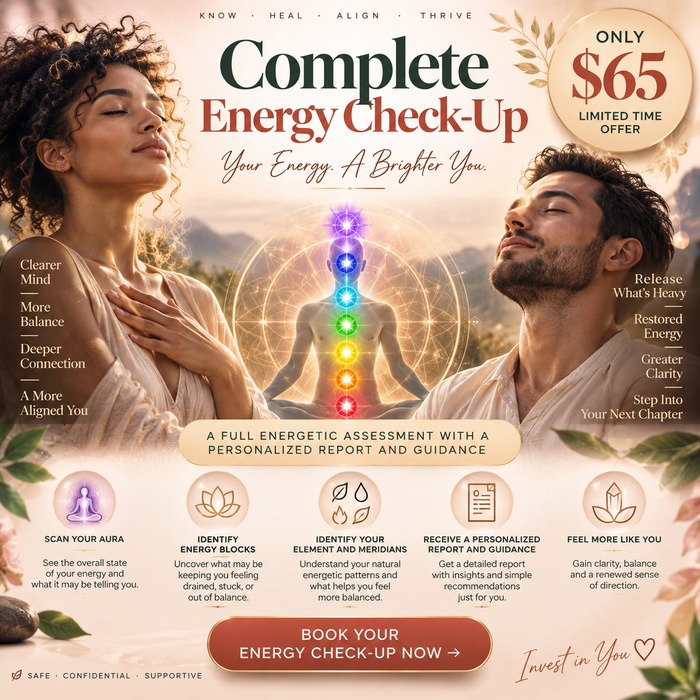
The Full Energy Check-Up maps your aura and all seven chakras, with a full intuitive reading and a written report showing exactly what to focus on next.
- Done remotely, wherever you are
- Performed personally by Steanie
- Personalized written report included
- All faiths welcome
$65 USD
Book the Check-Up →A grounding perspective
Waking up anxious doesn’t mean the day is ruined. It means your nervous system is still learning how to move from rest into activity without alarm.
Closing
Morning anxiety is not a personal failure or a warning sign.
It’s a nervous system state that can shift with safety, patience, and gentle support.
If this resonated, exploring emotional exhaustion versus physical fatigue may feel like a helpful next step.

Go deeper
The Living Dream Codex: Wake Up With Clarity
What happens overnight often carries messages worth hearing. The Living Dream Codex by I Am Steanie helps you understand your dreams and the signs they bring, so you can start your mornings with more clarity and less dread.
Get the book · $27