Why Small Triggers Feel So Big
Free · 1 minute
Signs tend to show up when you’re running on empty.
Are you burned out, or just tired? Eight quick questions give you your score and the support that fits.
Take the free Burnout Test →A compassionate beginning
Have you ever reacted strongly to something that seemed small? A tone of voice. A delayed text. A minor mistake. A subtle shift in someone’s mood.
And afterward you thought: “Why did that affect me so much?”
If small triggers feel big, you’re not overreacting. Your nervous system is responding to history — not just the present moment.
Triggers are about pattern recognition
The nervous system is constantly scanning for familiarity. When something resembles a past experience — even slightly — it can activate a survival response. The present moment may be mild. But the body remembers intensity.
Why the reaction feels disproportionate
When a trigger connects to unresolved stress or trauma, the body may increase heart rate, tighten muscles, flood with anxiety, shift into shutdown, and escalate emotion quickly. The reaction isn’t about the current event alone. It’s layered.

The speed of the nervous system
Triggers happen before thought. Your body reacts in milliseconds. Reason comes later. This can make you feel out of control — but it’s automatic protection, not conscious choice.
Why healing can increase trigger awareness
As you become more regulated, you may notice triggers more clearly. This can feel like things are getting worse. In reality, awareness is increasing. Before healing, triggers may have led directly to behavior. Now you can observe the activation. That’s progress.
The window of tolerance and triggers
When your window of tolerance is narrow, smaller stimuli can push you outside it. As your window expands, the same triggers feel less overwhelming. Capacity changes reaction.
What helps when triggers feel big
1. Pause before interpretation
Instead of asking “Why is this happening?” try: “My nervous system is activated.” Naming reduces escalation.
2. Ground physically
Press your feet into the floor. Lengthen your exhale. Relax your jaw. Regulate the body first. A short practice like the Free 5-Minute Emotional Reset can help in the moment.
3. Reduce shame
Shame intensifies triggers. Compassion shortens them.
4. Reflect later, not during
Analysis works best after regulation returns. Processing during activation often increases intensity.
Signs triggers are softening
You may notice shorter reaction duration, faster recovery, less catastrophic thinking, and improved communication afterward. Reduction, not elimination, is the first milestone.
Not sure what you need?
Find out what your energy is telling you.
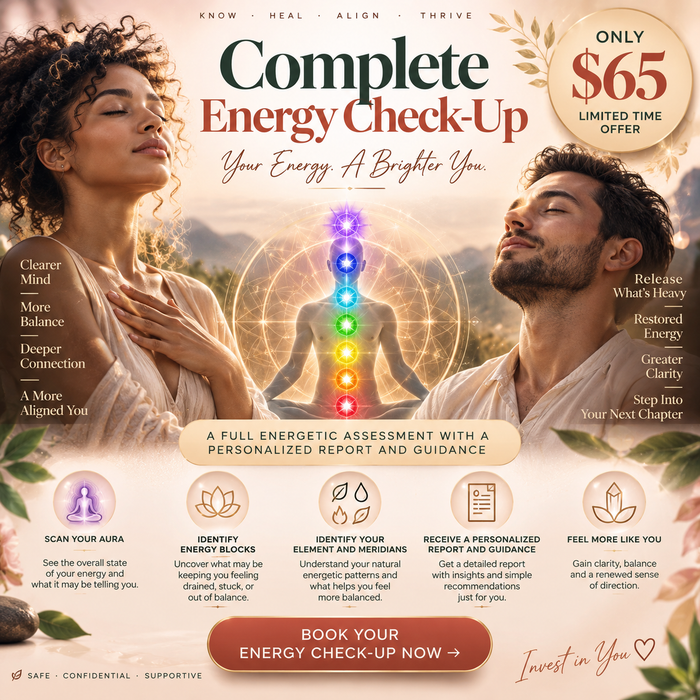
The Full Energy Check-Up maps your aura and all seven chakras, with a full intuitive reading and a written report showing exactly what to focus on next.
- Done remotely, wherever you are
- Performed personally by Steanie
- Personalized written report included
- All faiths welcome
$65 USD
Book the Check-Up →A compassionate reframe
Small triggers feel big because they connect to bigger histories. You’re not dramatic. You’re layered. And layers unwind gradually.
Closing
When small triggers feel overwhelming, it doesn’t mean you’re failing at healing. It means your nervous system is still updating. With repetition, safety, and patience, intensity reduces.
If this resonated, learning gentle ways to calm a dysregulated nervous system may help, and understanding that emotional regulation is a skill — not a personality trait — may bring relief.