Nighttime Anxiety: Causes and Gentle Relief
Free · 1 minute
Signs tend to show up when you’re running on empty.
Are you burned out, or just tired? Eight quick questions give you your score and the support that fits.
Take the free Burnout Test →A reassuring beginning
Nighttime anxiety can feel especially isolating. The world is quiet, support feels far away, and the sensations in your body can seem louder than everything else.
If anxiety shows up as soon as you try to sleep — or wakes you in the night — you’re not broken, and you’re not alone. For many people, nighttime anxiety is a nervous system pattern, not a personal failing.
Why anxiety prefers the night
Nighttime creates a perfect storm for anxiety because external distractions fade, the body finally slows down, unresolved stress has space to surface, and vigilance no longer has somewhere to go. For a nervous system used to staying alert, this sudden quiet can feel unfamiliar.
Accumulated stress comes forward
Many people carry stress throughout the day without realizing it. At night, the body is no longer “doing,” emotional load has nowhere to hide, and fatigue lowers coping capacity. Anxiety may rise not because something is wrong now, but because the system is finally noticing what it’s been holding.
Common nighttime anxiety sensations
Night anxiety often feels physical first. You may notice racing heart, restlessness, shallow breathing, tight chest or stomach, and sudden fearful thoughts. These sensations can feel alarming, even though they are protective responses.
Why trying to “relax” doesn’t help
Telling yourself to relax can unintentionally increase pressure. The nervous system doesn’t calm through commands — it calms through safety. Gentleness works better than effort at night.
Gentle relief for nighttime anxiety
Creating predictability
Consistent bedtime routines, familiar evening rituals, and predictable sleep cues all reassure the nervous system. A short, repeatable practice like the Free 5-Minute Emotional Reset can become part of that calming routine.
Using physical grounding
Warm blankets or clothing, gentle pressure (like hugging a pillow), and noticing contact points with the bed all signal safety faster than thoughts.
Reducing stimulation gradually
Instead of an abrupt shutdown, dim lights slowly, transition into quieter activities, and limit intense conversations or content late at night.
Allowing anxiety without fighting it
Paradoxically, anxiety often softens when it’s not resisted. Allowing sensations to rise and fall — without panic — helps the system settle over time.
When nighttime anxiety eases
As nervous system regulation improves, many people notice shorter anxiety episodes, less fear of the anxiety itself, and easier return to rest. This change is often gradual, not dramatic.
Not sure what you need?
Find out what your energy is telling you.
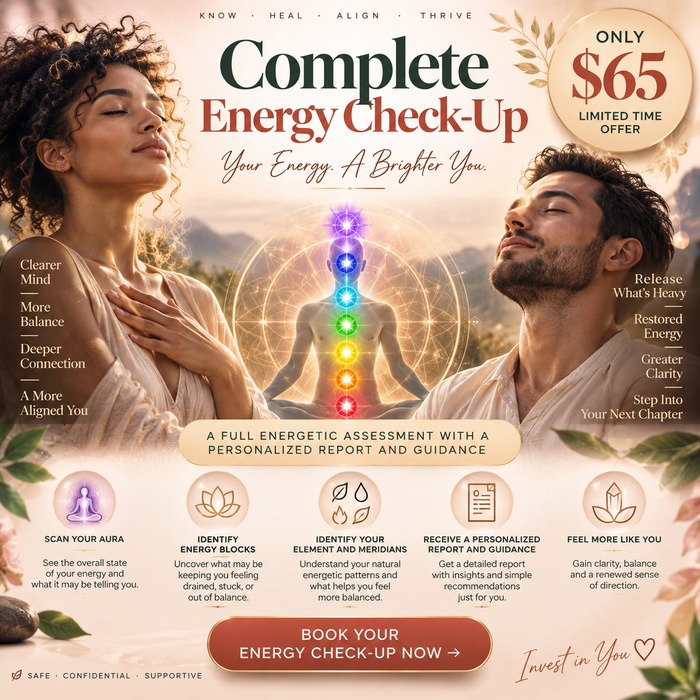
The Full Energy Check-Up maps your aura and all seven chakras, with a full intuitive reading and a written report showing exactly what to focus on next.
- Done remotely, wherever you are
- Performed personally by Steanie
- Personalized written report included
- All faiths welcome
$65 USD
Book the Check-Up →A calming reframe
Nighttime anxiety doesn’t mean danger is near. It often means your nervous system is learning how to feel safe without staying on guard.
Closing
Nighttime anxiety is not a sign that something is wrong with you.
It’s a sign that your body is asking for reassurance, consistency, and care as it transitions into rest.
If this resonated, understanding why some people wake up anxious may offer helpful clarity, and learning to calm your mind naturally before sleep can help too.

Go deeper
The Living Dream Codex: Turn the Night Into Guidance
As your nights grow calmer, your dreams often begin to speak more clearly. The Living Dream Codex by I Am Steanie helps you understand your dreams and the signs they carry, so rest can become a source of clarity.
Get the book · $27