Emotional Exhaustion vs Physical Fatigue
Free · 1 minute
Signs tend to show up when you’re running on empty.
Are you burned out, or just tired? Eight quick questions give you your score and the support that fits.
Take the free Burnout Test →A compassionate beginning
Feeling tired is common. But not all tiredness is the same.
If rest doesn’t seem to help — or if you feel drained in a way sleep can’t fix — you may be experiencing emotional exhaustion rather than physical fatigue.
Understanding the difference can bring relief. It can help you respond to what your body actually needs, instead of pushing in the wrong direction.
What physical fatigue really is
Physical fatigue comes from exertion. It’s often linked to lack of sleep, physical activity, illness, or overuse of the body. With physical fatigue, rest usually helps. After sleep or recovery, energy gradually returns.
What emotional exhaustion feels like
Emotional exhaustion is different. It often shows up as feeling drained even after rest, lack of motivation, emotional numbness or overwhelm, difficulty concentrating, and feeling “done” before the day begins. This kind of exhaustion comes from carrying too much internally for too long.
Why emotional exhaustion doesn’t improve with sleep
Sleep restores the body, but emotional exhaustion lives in the nervous system. When the nervous system has been managing constant stress, staying alert for long periods, suppressing emotions, and adapting without relief, it may not fully enter restorative states even during rest. This can leave you feeling tired without understanding why.
How emotional exhaustion develops
Emotional exhaustion often builds quietly. It can come from long-term responsibility, emotional labor, chronic stress, unresolved trauma, and always needing to “hold it together.” Because it accumulates slowly, many people don’t recognize it until they’re depleted.
Signs you may be emotionally exhausted
You might notice small tasks feel overwhelming, decision-making feels heavy, emotional reactions feel blunted or intense, rest feels unfulfilling, and you feel disconnected from joy. These are signals, not shortcomings.
Why pushing through makes it worse
When exhaustion is emotional, pushing harder often increases depletion. Productivity, motivation, and discipline don’t restore a nervous system that’s overwhelmed. What helps instead is relief from demand.
Supporting emotional exhaustion gently
Helpful supports may include reducing expectations, allowing slower days, limiting emotional output, prioritizing predictability, and choosing rest without justification. Emotional exhaustion eases when pressure decreases. A short, structured pause like the Free 5-Minute Emotional Reset can give your nervous system a gentle starting point.
When energy begins to return
As the nervous system recovers, you may notice clearer thinking, more emotional range, increased tolerance for stress, and natural motivation returning. This often happens gradually.
Not sure what you need?
Find out what your energy is telling you.
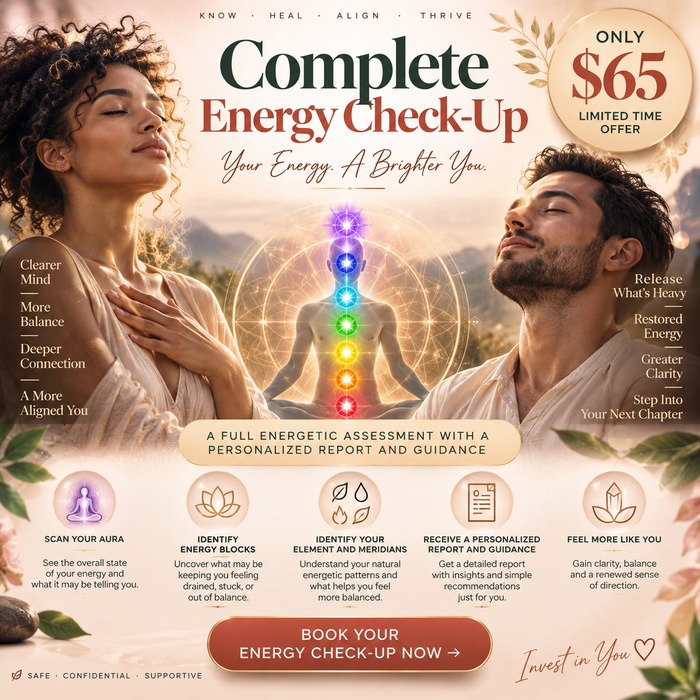
The Full Energy Check-Up maps your aura and all seven chakras, with a full intuitive reading and a written report showing exactly what to focus on next.
- Done remotely, wherever you are
- Performed personally by Steanie
- Personalized written report included
- All faiths welcome
$65 USD
Book the Check-Up →A grounding reframe
If you’re tired in a way sleep doesn’t fix, it doesn’t mean you’re broken or lazy. It may mean your nervous system needs care, not effort.
Closing
Distinguishing emotional exhaustion from physical fatigue allows you to respond with compassion instead of frustration.
When the nervous system feels supported, energy returns in its own time.
If this resonated, learning gentle ways to calm a dysregulated nervous system may help, and understanding why your body may resist rest can offer deeper clarity.

Go deeper
Protect: Stop the Energy Drain
Emotional exhaustion often comes from giving more than you get back. Protect by I Am Steanie helps you shield your energy, set sacred boundaries, and create room for real recovery.
Get the book · $11