Why Certain Emotional Patterns Keep Returning
A gentle opening
It can be discouraging to notice the same emotional patterns showing up again and again — especially after you’ve already done a lot of inner work.
You might think, “I thought I moved past this,” only to feel the familiar wave return.
If this is happening, it doesn’t mean you failed or went backward.
Often, it means your nervous system is still completing something it learned long ago.
Free · 1 minute
Signs tend to show up when you’re running on empty.
Are you burned out, or just tired? Eight quick questions give you your score and the support that fits.
Take the free Burnout Test →Emotional patterns are learned, not chosen
Emotional patterns develop as adaptations. They form when the nervous system discovers responses that help you cope, stay connected, or stay safe during challenging times. These patterns may include withdrawing when emotions feel intense, becoming hyper-alert to others’ moods, people-pleasing, shutting down needs, and staying busy to avoid feeling. At one point, these responses made sense.
Why patterns return even after awareness
Awareness is an important step — but it’s not always enough to dissolve a pattern on its own. That’s because emotional patterns live in the nervous system, muscle memory, and reflexive responses. They aren’t habits you consciously maintain. They’re protections the body remembers.
Repetition doesn’t mean you’re stuck
When a pattern reappears, it’s often because the system feels safer now, there is more capacity to notice, and a deeper layer is ready to soften. Patterns tend to surface in layers, not all at once.
Why similar situations trigger familiar responses
You may notice certain emotional responses return in relationships, conflict, moments of vulnerability, and periods of change. These situations activate old templates the nervous system recognizes. The body responds quickly — sometimes before you’re aware of it.
What helps patterns begin to change
Patterns soften not through force, but through increased safety, consistent regulation, compassionate response instead of self-criticism, and slower reactions over time. Each time a pattern is met with gentleness instead of urgency, it loosens a little. Working through these layers with a supportive guide like OPEN can make the process feel less overwhelming.
Why patience matters
Emotional patterns often formed over long periods. They usually don’t disappear in a single insight or breakthrough. Healing looks more like shorter duration of the pattern, less intensity, quicker recovery, and more choice in how you respond. These shifts are meaningful.
Not sure what you need?
Find out what your energy is telling you.
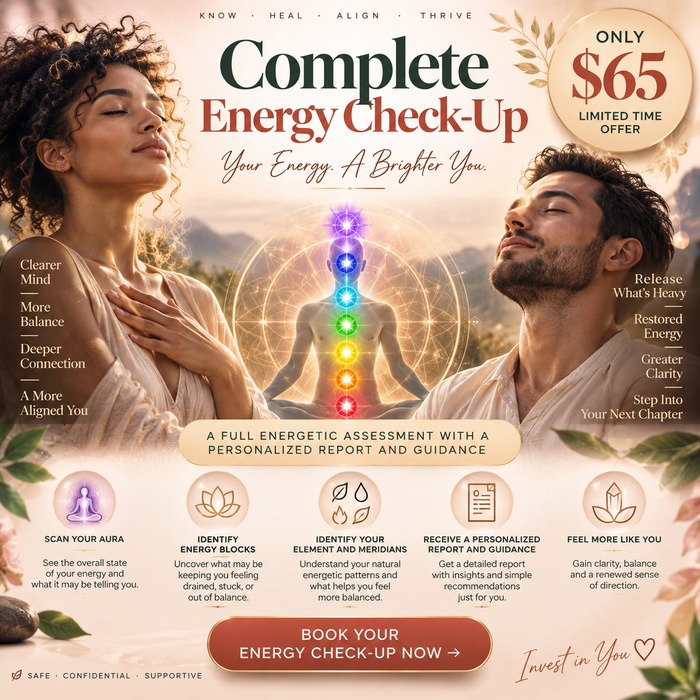
The Full Energy Check-Up maps your aura and all seven chakras, with a full intuitive reading and a written report showing exactly what to focus on next.
- Done remotely, wherever you are
- Performed personally by Steanie
- Personalized written report included
- All faiths welcome
$65 USD
Book the Check-Up →A helpful reframe
Recurring emotional patterns are not signs that healing isn’t working. They are signs that your system is learning new ways to respond — gradually and carefully.
Closing
When emotional patterns return, it’s not an invitation to judge yourself.
It’s an opportunity to offer your nervous system what it needed back then — safety, time, and understanding.
If this resonated, understanding what “healing isn’t linear” really means may help, and noticing signs of emotional healing — even when it doesn’t feel obvious — may feel reassuring.

Go deeper
Open: Break the Cycle Gently
If you keep repeating patterns you thought you'd moved past, you're not alone. Open by I Am Steanie helps you release limiting patterns, heal your heart, and step into a new beginning with more peace.
Get the book · $11