Why Trauma Responses Are Not a Choice
Free · 1 minute
Signs tend to show up when you’re running on empty.
Are you burned out, or just tired? Eight quick questions give you your score and the support that fits.
Take the free Burnout Test →A compassionate beginning
Many people blame themselves for how they react after trauma.
You might think: “Why do I still react like this?” or “Why can’t I just calm down?” or “I should know better by now.”
If these thoughts sound familiar, it’s important to know this: Trauma responses are not choices. They are automatic nervous system responses designed to protect you.
Trauma responses happen before thought
Trauma responses occur faster than conscious awareness. Before you can think, the nervous system may tense the body, increase heart rate, shut down emotion, trigger anxiety or fear, or prepare for escape or defense. These reactions happen below the level of logic.
Why willpower doesn’t stop trauma responses
Because trauma responses are physiological, they cannot be overridden by reasoning alone. Trying to “think your way out” can increase frustration, reinforce shame, and keep the nervous system activated.
This doesn’t mean you’re powerless.
It means your body needs support, not correction.
Trauma responses are learned adaptations
Trauma responses develop because they worked at some point. They helped you survive danger, stay connected, reduce pain, and manage overwhelm. The nervous system keeps using them until it learns a safer option.
Common trauma responses
Trauma responses may include hypervigilance, people-pleasing, emotional shutdown, dissociation, control or avoidance, and strong reactions to small triggers. These are not character flaws. They are protective strategies.
Why trauma responses persist
Trauma responses continue when the nervous system doesn’t yet feel safe, stress remains high, recovery hasn’t fully happened, or the body hasn’t learned new outcomes. Safety — not insight — is what allows responses to change.
What actually helps trauma responses soften
Trauma responses ease when the nervous system experiences safety repeatedly, reactions are met with compassion, recovery after activation is possible, and self-judgment decreases. Each regulated experience teaches the body something new. If you’re ready for gentle guided support, Talk It Out offers a structured, compassionate space to work through what surfaces.
Releasing shame around trauma responses
Shame keeps trauma responses stuck. Compassion helps them loosen. When you respond to a trauma reaction with understanding instead of criticism, you reduce the need for protection.
Not sure what you need?
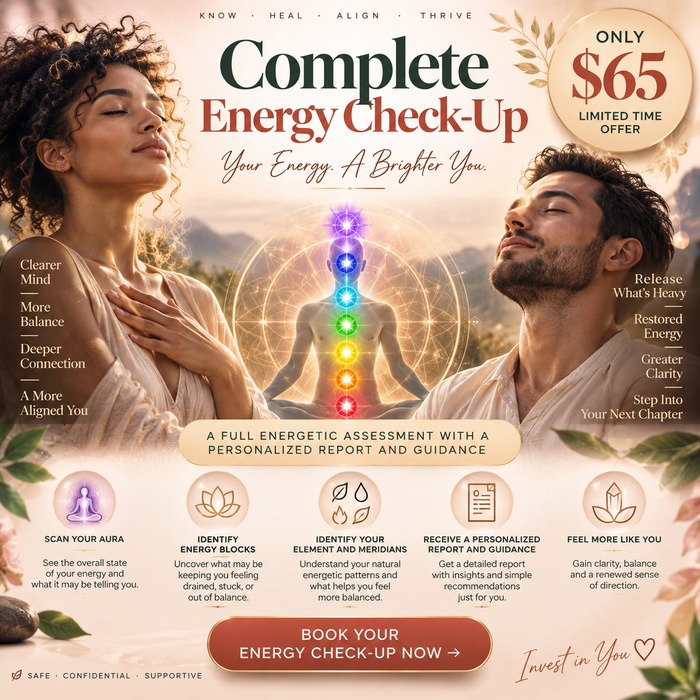
Find out what your energy is telling you.
The Full Energy Check-Up maps your aura and all seven chakras, with a full intuitive reading and a written report showing exactly what to focus on next.
- Done remotely, wherever you are
- Performed personally by Steanie
- Personalized written report included
- All faiths welcome
$65 USD
Book the Check-Up →A grounding reframe
You are not choosing trauma responses. Your nervous system is responding based on what it learned to survive. Healing is not about stopping responses — it’s about teaching the body that protection is no longer required in the same way.
Closing
Understanding that trauma responses are not a choice can bring relief, self-compassion, and patience into healing.
When safety becomes consistent, the body naturally chooses calmer responses.
If this resonated, learning gentle ways to calm a dysregulated nervous system may help, and learning how to heal trauma without reliving the past may feel supportive.

Go deeper
Open: Meet Yourself With Compassion
Your responses make sense, and they can change. Open by I Am Steanie guides you through releasing old patterns, healing your heart, and stepping into a new beginning with more peace.
Get the book · $11