Why Anxiety Feels Physical
A reassuring opening
Anxiety is often described as something happening in the mind. But for many people, anxiety is felt first — and most strongly — in the body.
If your anxiety shows up as tightness, nausea, restlessness, or exhaustion, you’re not imagining it. Anxiety is a physiological experience.
Free · 1 minute
Signs tend to show up when you’re running on empty.
Are you burned out, or just tired? Eight quick questions give you your score and the support that fits.
Take the free Burnout Test →Anxiety begins in the nervous system
Before anxious thoughts appear, the nervous system often detects a shift. This can involve increased heart rate, muscle tension, shallow breathing, and digestive changes. The body prepares for action before the mind interprets what’s happening.
Why the body reacts so strongly
The nervous system’s job is to protect. If it senses threat — real or remembered — it activates survival responses. These responses are physical by design: energy is mobilized, attention narrows, and sensations intensify. Anxiety is the body preparing to respond.
Physical anxiety symptoms you may notice
Common physical experiences of anxiety include tight chest or throat, stomach discomfort, dizziness, shaking, fatigue, and shortness of breath. These symptoms can feel alarming, especially when there’s no obvious cause.
Why anxiety feels uncontrollable
Because anxiety begins below conscious awareness, it can feel sudden and out of your control. Trying to “think it away” often doesn’t work — and can increase frustration. This doesn’t mean you’re powerless. It means the body needs support first.
Supporting physical anxiety gently
Helpful supports may include grounding through touch or movement, slowing breathing without forcing it, reducing stimulation, orienting to safety in the environment, and allowing sensations to pass without resistance. Physical anxiety softens when the body feels supported. A short grounding practice like the Free 5-Minute Emotional Reset can help settle the body in the moment.
Why fighting anxiety increases discomfort
When we resist physical anxiety, the nervous system often stays activated. Allowing sensations — without panic — can reduce their intensity over time. This doesn’t mean liking them. It means not escalating them.
When physical anxiety begins to change
As regulation improves, you may notice sensations pass more quickly, fear of symptoms decreases, recovery happens faster, and trust in the body increases. These are signs of nervous system healing.
Not sure what you need?
Find out what your energy is telling you.
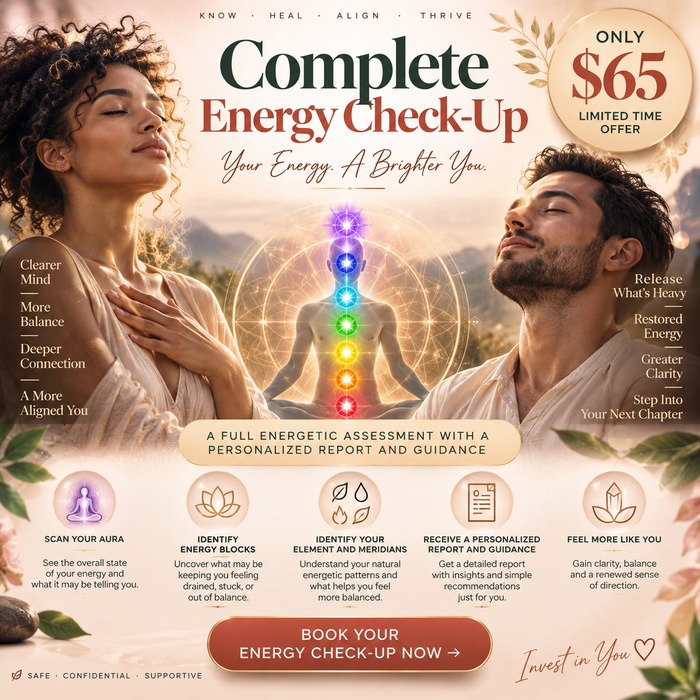
The Full Energy Check-Up maps your aura and all seven chakras, with a full intuitive reading and a written report showing exactly what to focus on next.
- Done remotely, wherever you are
- Performed personally by Steanie
- Personalized written report included
- All faiths welcome
$65 USD
Book the Check-Up →A grounding truth
Anxiety feels physical because it is physical. Understanding this can reduce fear and help you respond with compassion instead of alarm.
Closing
Physical anxiety is not a sign that something is wrong with you. It’s a sign that your nervous system is trying to protect you — and can learn to settle again with safety and support.
If this resonated, learning gentle ways to calm a dysregulated nervous system may help, and learning how emotional patterns repeat in the nervous system may feel like a helpful next step.

Go deeper
Protect: Help Your Body Feel Safe Again
When anxiety lives in the body, safety has to be felt, not just understood. Protect by I Am Steanie helps you shield your energy, set sacred boundaries, and create unshakable inner safety from within.
Get the book · $11