When Rest Is More Healing Than Action
Free · 1 minute
Signs tend to show up when you’re running on empty.
Are you burned out, or just tired? Eight quick questions give you your score and the support that fits.
Take the free Burnout Test →A validating beginning
Many people believe healing requires action — doing more, trying harder, staying engaged.
So when rest is what the body asks for, it can feel confusing, uncomfortable, or even wrong.
If you’ve felt guilty for needing rest during healing, you’re not alone.
And you’re not avoiding growth.
Sometimes, rest is the growth.
Why action is often overvalued
Action feels productive. It offers a sense of control.
Rest, on the other hand, can feel passive — especially in a culture that values constant movement.
But for the nervous system, action and rest are not equal.
Rest is where integration happens.
Healing happens during pauses
When the body rests, the nervous system recalibrates stress responses, processes emotional material, restores depleted resources, and learns that it’s safe to stop.
Without rest, healing has nowhere to land.
Why rest can feel uncomfortable
For nervous systems that learned to stay alert, rest can feel unfamiliar. You may notice restlessness, anxiety, urge to stay busy, or discomfort with stillness. This doesn’t mean rest is harmful. It means your system is learning a new state.
When rest becomes necessary
Rest often becomes essential when emotions feel heavy, motivation disappears, exhaustion persists, or overwhelm increases. These are not signs to push harder. They’re signals to pause.
Rest doesn’t mean doing nothing forever
Rest is not giving up. It’s creating space for clarity, emotional settling, and nervous system recovery. Often, action becomes clearer after rest. Building small, restful rituals into daily life — like those in ALIGN — can make rest feel less like guilt and more like care.
Signs rest is doing important work
Even when rest feels uneventful, healing may be happening if reactions soften, recovery improves, emotions feel less urgent, and boundaries become clearer. These changes often arrive quietly.
Learning to trust rest
Trusting rest can be challenging if you learned that worth comes from effort. Healing invites a different truth: Your value doesn’t disappear when you stop.
Not sure what you need?
Find out what your energy is telling you.
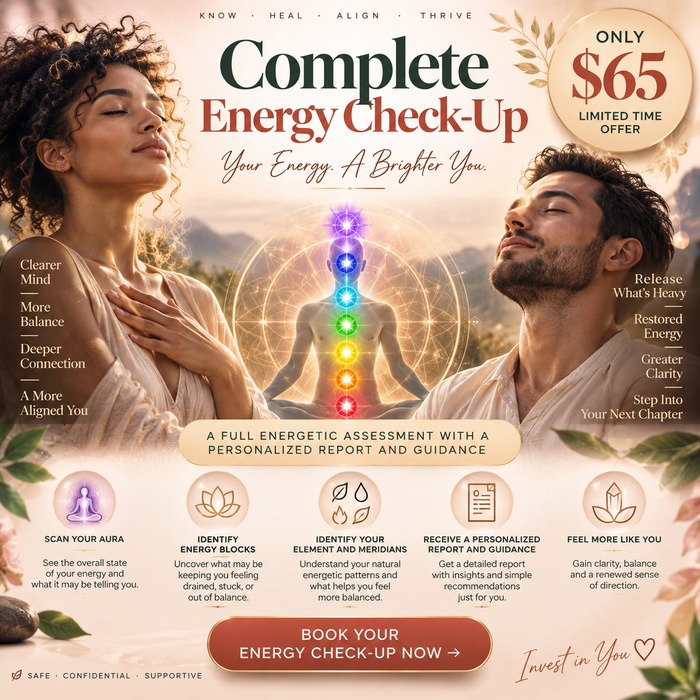
The Full Energy Check-Up maps your aura and all seven chakras, with a full intuitive reading and a written report showing exactly what to focus on next.
- Done remotely, wherever you are
- Performed personally by Steanie
- Personalized written report included
- All faiths welcome
$65 USD
Book the Check-Up →A compassionate reframe
Rest isn’t a detour from healing. It’s one of the most direct paths there.
Closing
When rest feels more healing than action, it’s not because you’re avoiding growth.
It’s because your nervous system is doing exactly what it needs to do.
If this resonated, exploring simple sacred self-care rituals that actually restore you may help, and mindfulness designed for sensitive nervous systems may feel supportive.

Go deeper
Align: Your Value Doesn't Stop When You Rest
Clarity often comes after the pause. Align by I Am Steanie helps you realign your energy, restore your inner compass, and trust your own pace.
Get the book · $11